



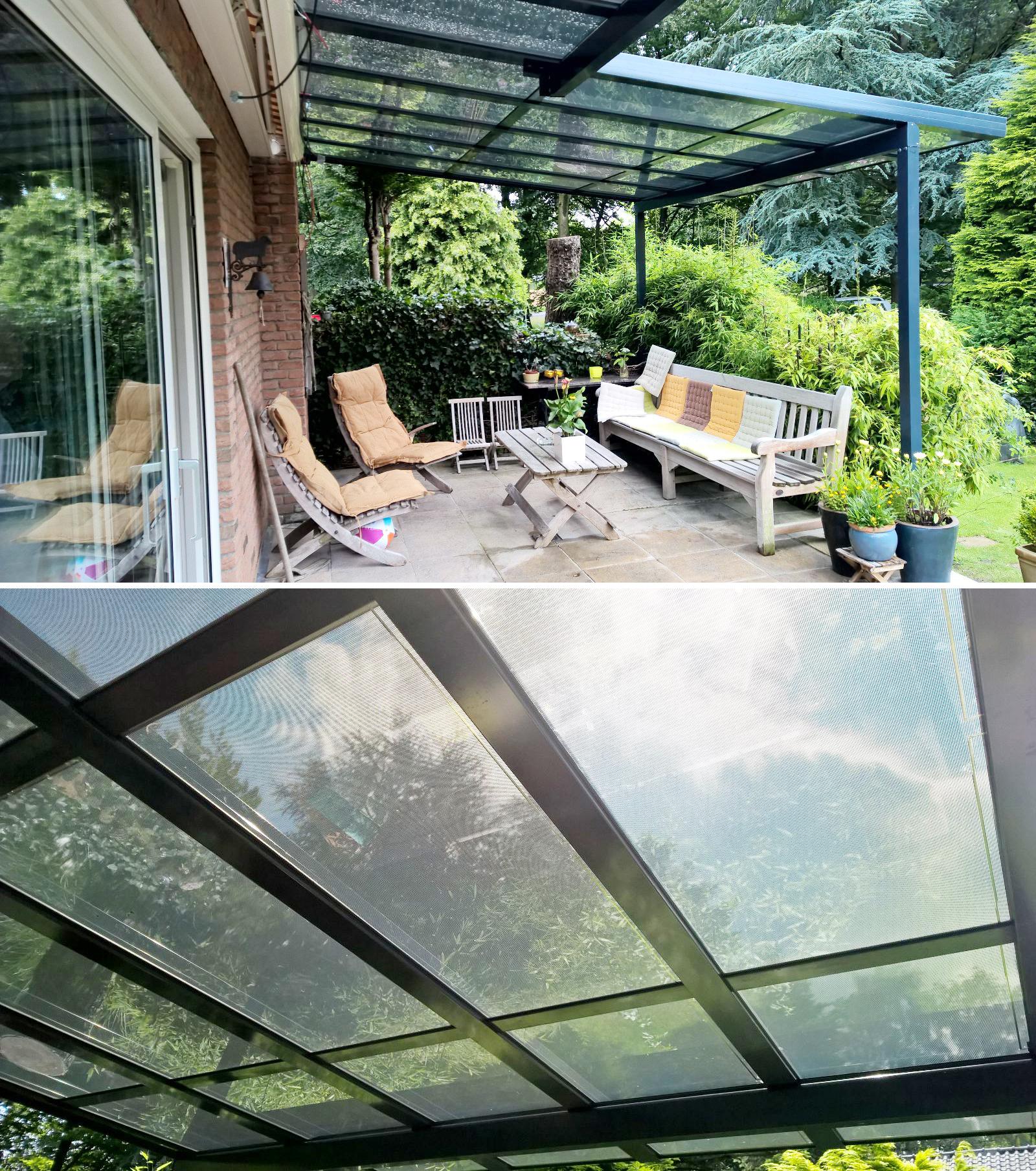
In 2008, the founding team of SolarWind participated in a project under the Advanced Energy sector of the National High-Tech Research and Development Program (863 Program). They successfully broke foreign technological monopolies and were the first in China to achieve the industrialization of cadmium telluride thin-film solar technology developed entirely through independent R&D. The cells achieved efficiency levels that are among the highest both domestically and internationally, and the company is an industry leader in building-integrated photovoltaics (BIPV) applications.
To date, the company has developed more than 50 types of cadmium telluride thin-film photovoltaic building materials across eight major categories—including power-generating walls, power-generating roof tiles, and power-generating bricks—suitable for various architectural applications. These products can be flexibly customized in terms of color, pattern, shape, size, and light transmittance to meet different needs, truly enabling photovoltaic building materials to replace traditional building materials in architectural applications. Not only do they enhance the aesthetic appeal of buildings, but they also reduce energy consumption, transforming buildings into entities that both generate and consume energy.The company’s products have been successfully applied in over 100 landmark photovoltaic building projects both domestically and internationally, including the China Pavilion at the World Horticultural Exposition, the Xiong’an New Area Business Center, the Datong Energy Pavilion, Jiaxing Railway Station, the SF Express Huahu Airport in Ezhou, the underwater photovoltaic system at the Fountain Square of the Beijing Winter Olympics, and the photovoltaic demonstration building at the China Academy of Building Research.
SolarWind is fully capable of scaling up the industrialization of its proprietary cadmium telluride thin-film solar technology, which it has developed independently and for which it holds full intellectual property rights. SolarWind’s building-integrated photovoltaic (BIPV) glass can be widely applied to building walls, curtain walls, and roofs, and can even be effectively installed on roads and underwater. While ensuring that buildings remain safe, reliable, and aesthetically pleasing, this technology also provides green, clean photovoltaic power, transforming buildings from mere energy consumers into energy producers and consumers.

SolarWind photovoltaic building materials are designed and manufactured in accordance with structural standards for building materials, and their design philosophy adheres to five key principles: “safety, aesthetics, usability, durability, and cost-effectiveness.” These products first and foremost meet architectural functional requirements—including safety (fire resistance, water resistance, strength, etc.), thermal insulation, light transmission, and aesthetic appeal—while also delivering exceptional power generation capabilities.
Leveraging the advantages and characteristics of cadmium telluride thin-film photovoltaic modules—including high power generation capacity, excellent stability, low temperature coefficient, good low-light performance, uniform color, and an elegant appearance—SolarWInd has developed a range of technologically mature, innovative photovoltaic building materials. Based on customer requirements, the company can customize photovoltaic roof tiles, photovoltaic insulation modules, photovoltaic water heaters,photovoltaic insulated glass windows, large-area photovoltaic floor-to-ceiling windows, photovoltaic curtain wall components, stone-look components, and aluminum-look components—all of which can be customized to meet customer requirements in terms of transmittance, patterns, colors, structure, shape, and dimensions.
The high-efficiency 0.72 m² photovoltaic modules developed and manufactured by SolarWind Energy achieved a steady-state output power of 116.27 W in commissioned testing, with a full-area photovoltaic conversion efficiency of 16.2 percent; the conversion efficiency of small-area cells tested in the laboratory has already reached 20.6 percent.
In addition, the company has obtained the “Grade A Certification for Green Building Materials—Photovoltaic Modules” from the National Inspection Group, becoming the first company in the photovoltaic industry to receive this green building materials certification. This also marks another important and solid step forward in the integration of photovoltaic power generation and building materials.